The journey to becoming a cloud-native expert often starts with a single realization:
understanding how data moves is just as important as writing the code itself. Enrolling in the top networking course is the strategic first step for many tech aspirants who want to master the complex "digital plumbing" that powers today’s global software. While "coding" gets all the glory, the real heavy lifting in the modern world happens within containers and orchestration layers. Tools like Docker and Kubernetes have become the gold standard because they don't just run apps; they manage the intricate networking and infrastructure that keep those apps alive under massive pressure.
The Rise of Containerization: Why Docker is Your Foundation
Before we had modern standards, developers struggled with the "it works on my machine" syndrome. Docker solved this by packaging an application with all its dependencies into a single, portable unit called a container. However, behind the curtain of every container is a network bridge or a virtual interface. This is why students at the top networking course in Kochi spend so much time mastering the OSI model and IP addressing. You can build the most elegant Docker image in the world, but if you don't understand how to map ports or configure a bridge network, your container remains an island, unable to talk to the database or the enduser. Docker essentially turned infrastructure into a portable, predictable environment, but it relies entirely on networking logic to function.
Orchestration at Scale: The Kubernetes Revolution
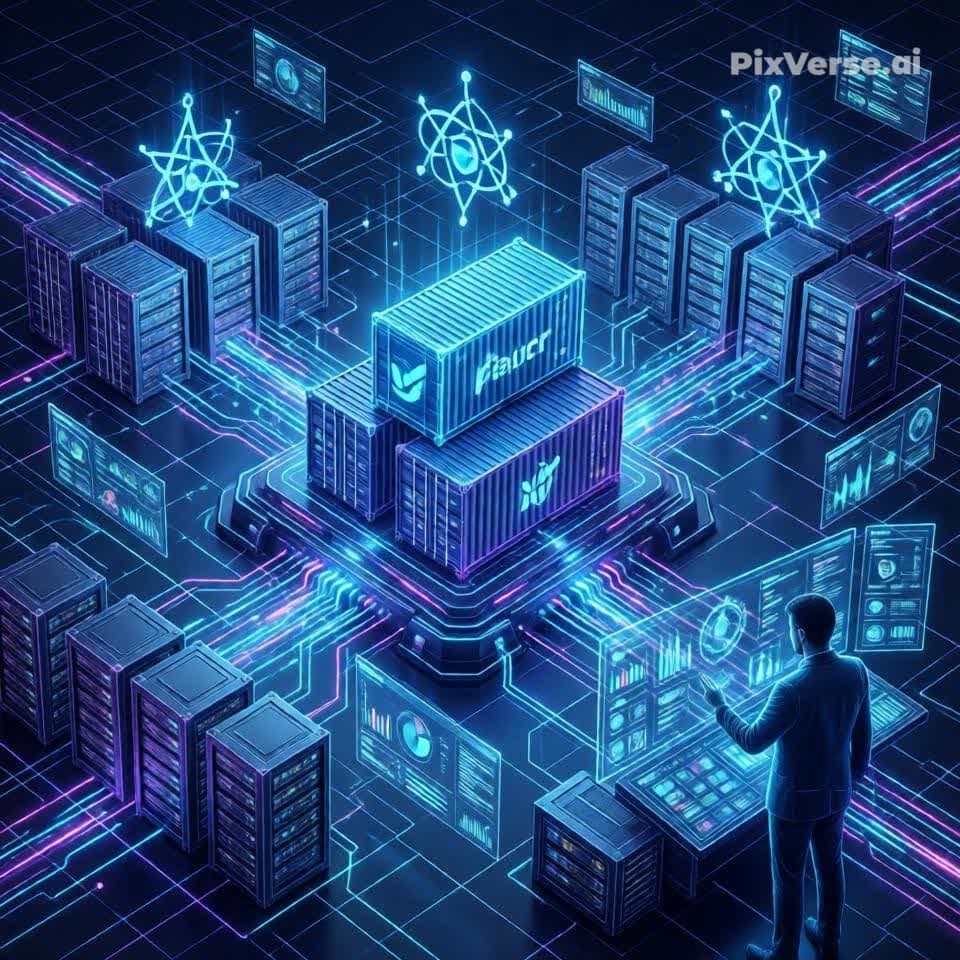
If Docker is the shipping container, Kubernetes is the massive, automated port and the fleet of ships carrying them. Once you move from running one container to managing thousands, you need an orchestrator. Kubernetes has won the industry's heart because it automates scaling, healing, and - most importantly - internal communication. In a cluster, pods are ephemeral; they die and are reborn with new IP addresses constantly. Navigating this "shifting landscape" is a skill honed in the top networking course in Kochi, where learners explore Service discovery and DNS resolution. Without a deep grasp of how a Load Balancer distributes traffic to these moving targets, managing a Kubernetes cluster can feel like trying to catch smoke with your bare hands.
The Networking Secret Behind DevOps Mastery
What truly separates a junior developer from a DevOps architect is their ability to troubleshoot the "invisible" layers. When a deployment fails in production, the culprit is rarely a syntax error in the code; it’s usually a misconfigured firewall, a closed port, or a subnet overlap. This is exactly why the top networking course in Kochi is considered a prerequisite for high-end DevOps roles. Mastering the "digital plumbing" allows you to treat "Infrastructure as Code" (IaC) with confidence. When you write a YAML file for a Kubernetes deployment, you aren't just deploying an app - you are defining a virtual network, setting up gateways, and enforcing security policies that mirror real-world physical networks.
Security and the Future: DevSecOps and Beyond
In 2026, automation is getting even smarter with the rise of AIOps and DevSecOps. Security is no longer a separate phase; it’s baked into the network policy of the container itself. Modern pipelines automatically scan for vulnerabilities and check for "leaked secrets" before a single line of code goes live. However, the logic remains the same: you must know how to secure the perimeter. Graduates of the top networking course in Kochi are uniquely equipped for this, as they understand how to implement Zero Trust models and mTLS (mutual TLS) encryption between microservices. Understanding the flow of packets is the only way to ensure that your automated system isn't just fast, but also impenetrable.
Conclusion
The shift toward automated, containerized engineering is irreversible. By starting your path with the top networking course in Kochi, you provide yourself with the "under-the-hood" expertise needed to navigate the cloud-native era. Technologies like Docker and Kubernetes will continue to evolve, and new tools will inevitably emerge, but the core principles of networking - how systems connect, verify, and communicate - will always remain the bedrock of the tech industry. Whether you’re building a local startup's platform or managing a multinational's cluster, the fundamentals you master today will be the surfboard you use to ride the automation wave.